
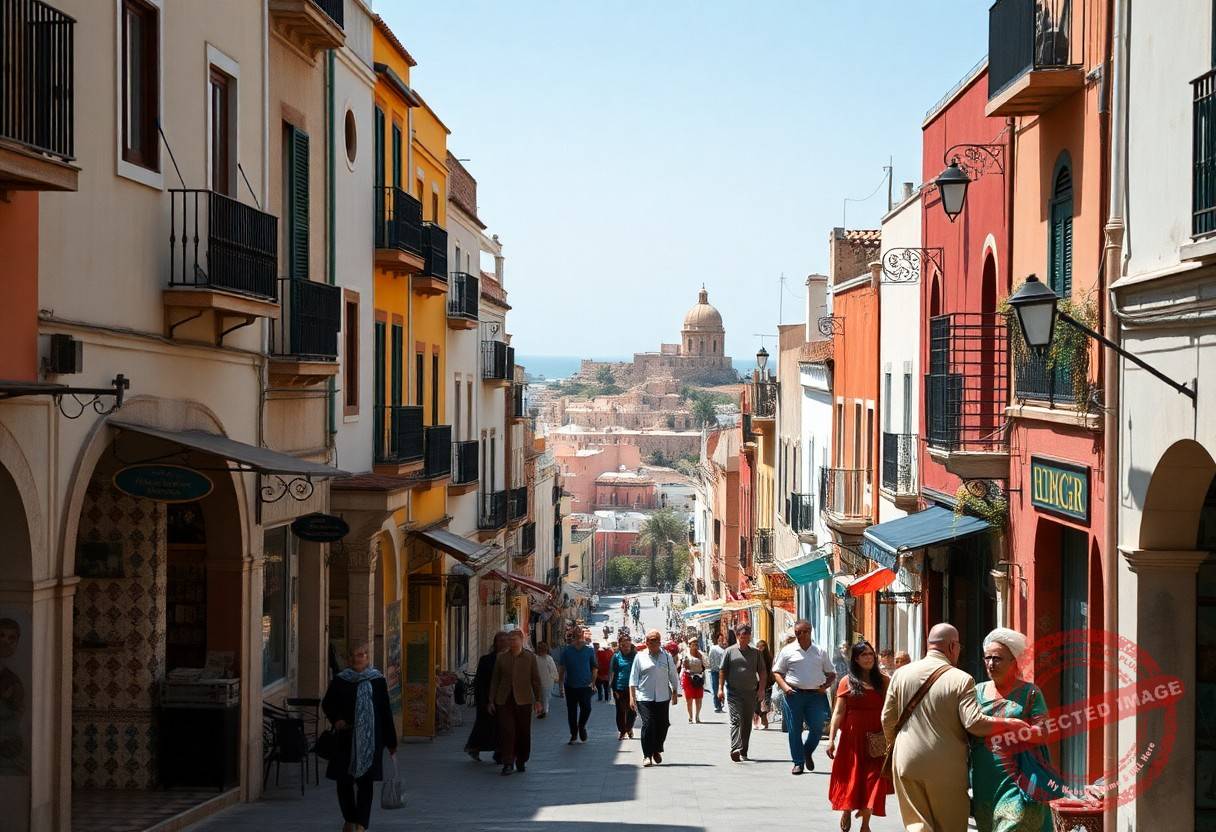
This guide will help you explore the profound effect of Spanish culture and history on Tangier, a city that has long served as a crossroads of civilizations. By examining key historical events, architectural influences, and cultural exchanges, you will gain a deeper understanding of how Spain shaped Tangier’s identity. As you navigate through this rich tapestry of heritage, you will appreciate the blend of traditions that continue to define this vibrant city today.
Advertisement
Key Takeaways:
- Spanish influence in Tangier has shaped its architectural styles, blending Moorish and European elements.
- Trade and cultural exchanges flourished between Spain and Tangier during the 19th and early 20th centuries.
- The Spanish language has left a lasting impact on local dialects and vocabulary in Tangier.
- Spanish colonial rule introduced significant agricultural practices and crops to the region.
- Art and literature in Tangier have been influenced by Spanish writers and artistic movements.
- Spanish gastronomy is reflected in local cuisine, with dishes showcasing this cultural amalgamation.
- Political relations between Spain and Morocco continue to be shaped by historical ties to Tangier.
Understanding the Spanish Influence
Historical Context
The roots of Spanish influence in Tangier trace back to the late 15th century when the region became a site of strategic interest for the Spanish Crown. After the fall of Granada in 1492, Spain sought to expand its territories, and Tangier’s geographic position made it a key location for controlling trade routes between Europe and Africa. During the 17th century, the establishment of Spanish protectorates further cemented this relationship, influencing local governance structures and military presence.
By the 20th century, Spanish colonization efforts intensified, particularly during the time of the International Zone (1923-1956), where Tangier became a melting pot of Spanish and Moroccan cultures. This era not only allowed Spanish interests to flourish economically but also led to the establishment of educational institutions that propagated Spanish language and culture among the local populace.
Cultural Exchanges
Cultural exchanges between Spain and Tangier have been multifaceted, impacting everything from cuisine to art. You would notice Spanish architectural styles, like the Baroque and Gothic influences, blending seamlessly with local designs in houses, churches, and public buildings. Festivals such as the Feria de Tánger, which showcase Spanish traditions, have become integral to the local cultural calendar, highlighting the interplay of influences.
In daily life, the influence extends to gastronomy, where dishes such as paella and tapas can be found alongside Moroccan tajines. You might also observe a prevalence of Spanish in the local dialects, interspersed with Arabic and Berber, reflecting a linguistic melding that enriches communication in the region.
Additionally, the shared history led to significant artistic collaborations, where Spanish painters and local artisans often engaged in projects that incorporated both Iberian and Moroccan motifs. This synergy is evident in Tangier’s galleries, where artworks tell stories of cross-cultural narratives that continue to evolve today.
How to Identify Spanish Architectural Elements
Key Features to Look For
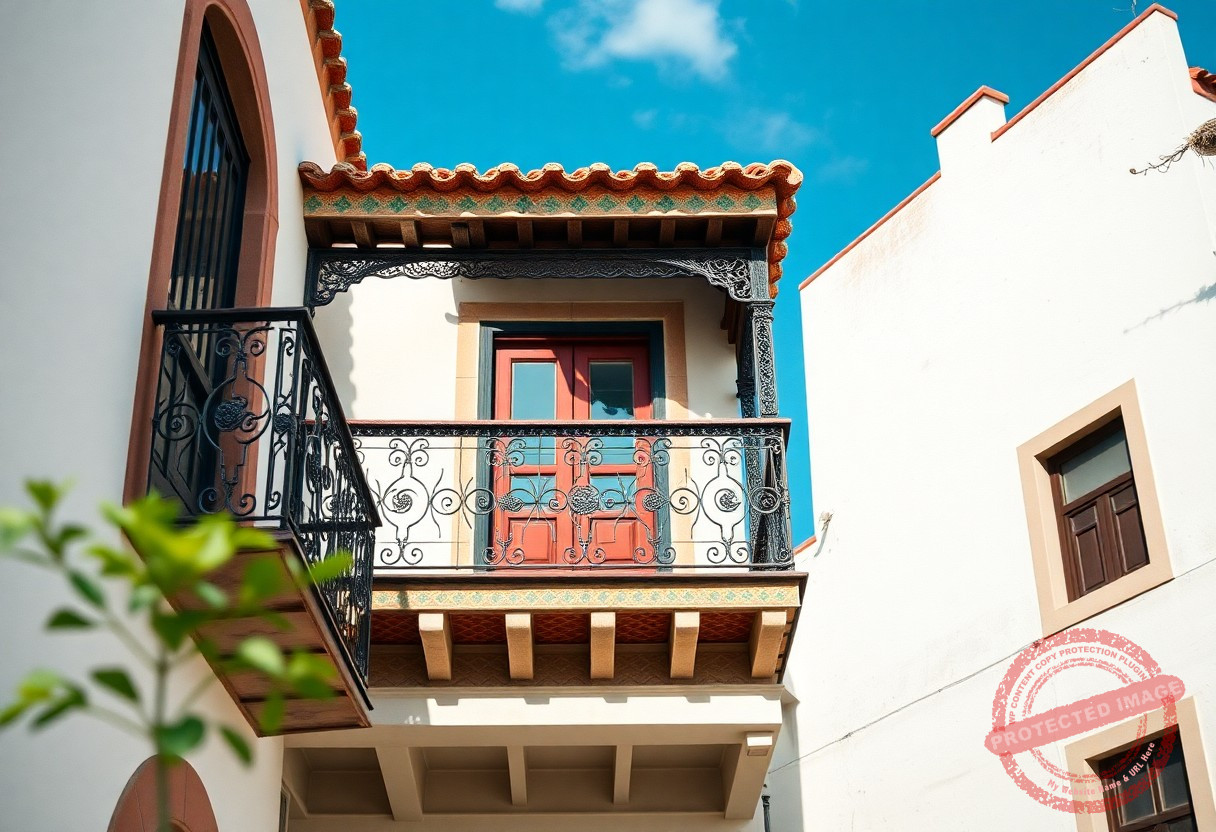
When exploring the architectural landscape of Tangier, be on the lookout for distinct Spanish elements that evoke the city’s rich history. A few hallmark features signify the influence of Spanish architecture, offering insights into the cultural fusion that defines this coastal city. Take special note of the following:
- Clay tile roofs, often in vibrant colors.
- Balconies adorned with wrought iron railings.
- Intricate stucco work showcasing floral and geometric patterns.
- Arched doorways and windows reflecting Andalusian designs.
- Courtyards surrounded by columns and fountains, promoting relaxation and community.
Recognizing these features not only enhances your appreciation of Tangier’s unique architectural identity but also connects you to the broader narrative of Morocco’s historical ties to Spain. For a deeper exploration into this cultural interplay, visit Morocco and Spain: Moor Than A Myth.
Tips for Appreciating Historical Sites
To truly embrace the historical essence of Tangier’s architectural wonders, you should adopt a few strategies while exploring. Firstly, take your time to observe the details; each site tells a story that intertwines different cultures and eras. Here are a few tips to help you get the most out of your visits:
- Engage with local guides for insider knowledge and narratives.
- Visit during quieter hours to fully absorb the atmosphere.
- Document your observations through sketches or photographs.
- Attend cultural events held in historical sites for a living experience.
Thou should also familiarize yourself with the historical context of each site before you visit. Understanding the background enhances your experience and connection to the space. Here are additional suggestions to ensure a rich engagement with the history of Tangier:
- Read books or articles about Tangier’s architectural evolution.
- Join walking tours that focus specifically on Spanish influences.
- Participate in workshops that celebrate local crafts and traditions.
- Stay curious and ask questions about the significance of what you observe.
Thou will find that immersing yourself in Tangier’s blend of history, art, and architecture deeply enriches your exploration and understanding of the city’s heritage.
Factors Contributing to Spanish Impact
The Spanish presence in Tangier can be traced through various factors that significantly shaped its cultural landscape. One of the primary reasons is the political alliances formed between Spain and various Moroccan dynasties. Such alliances often resulted in shared interests, military support, and cultural exchanges that reinforced Spain’s influence. For example, during the 16th century, the Saadi dynasty aligned with Spanish interests to counter other regional threats, enhancing the political landscape that allowed Spanish culture and language to flourish. This political cooperation laid the groundwork for a shared identity that transcended mere governance, fostering an environment where Spanish influence permeated daily life.
- Political alliances facilitated military and economic collaboration.
- Cultural exchanges enriched local traditions with Spanish customs.
- Diplomatic ties encouraged the establishment of Spanish educational institutions.
- Joint ventures in trade resulted in the proliferation of Spanish goods.
- Thou can see more on the interplay of cultures through resources like History of the Spanish language in Tangier.
Political Alliances
Your understanding of Spanish influence in Tangier deepens with the exploration of political alliances. These alliances were not merely transitory; they were often rooted in the strategic necessities of the era. For instance, the Treaty of Tetouan in 1860 showcased a formal agreement that resulted from conflict yet led to an ongoing Spanish interest in Tangier. Such treaties allowed for the establishment of diplomatic missions, which, in turn, facilitated cultural and educational exchanges. The political landscape defined the extent and depth of Spanish influence, merging interests between two vastly different cultures.
You will find that these alliances were pivotal in shaping societal norms and practices in Tangier. Through the orchestration of shared objectives, both entities developed a mutual respect and allowed for the flourishing of cultural practices. As political conditions evolved, so too did the people’s daily interactions, solidifying Spanish influence in everything from language to cuisine.
Economic Trade Routes
Your journey into the economic landscape reveals that trade routes played a vital role in Spain’s influence over Tangier. The strategic geographic location of Tangier made it an imperative port for maritime trade during the 15th and 16th centuries. Spanish merchants utilized these routes extensively to export goods like textiles, ceramics, and spices, while importing Moroccan products such as sugar and leather. The economic prosperity engendered by these exchanges created a vibrant market where Spanish influence was palpable in both commerce and local lifestyles.
This dynamic trade environment was not just about the exchange of goods; it was also a vehicle for cultural transmission. Through trade, Spanish customs trickled into the everyday lives of Tangier residents, influencing fashion, etiquette, and culinary practices. With these economic interactions, a unique synthesis of cultures emerged, further solidifying the Spanish impact on Tangier’s historical narrative.
How to Experience Spanish Heritage in Tangier
Suggested Itinerary
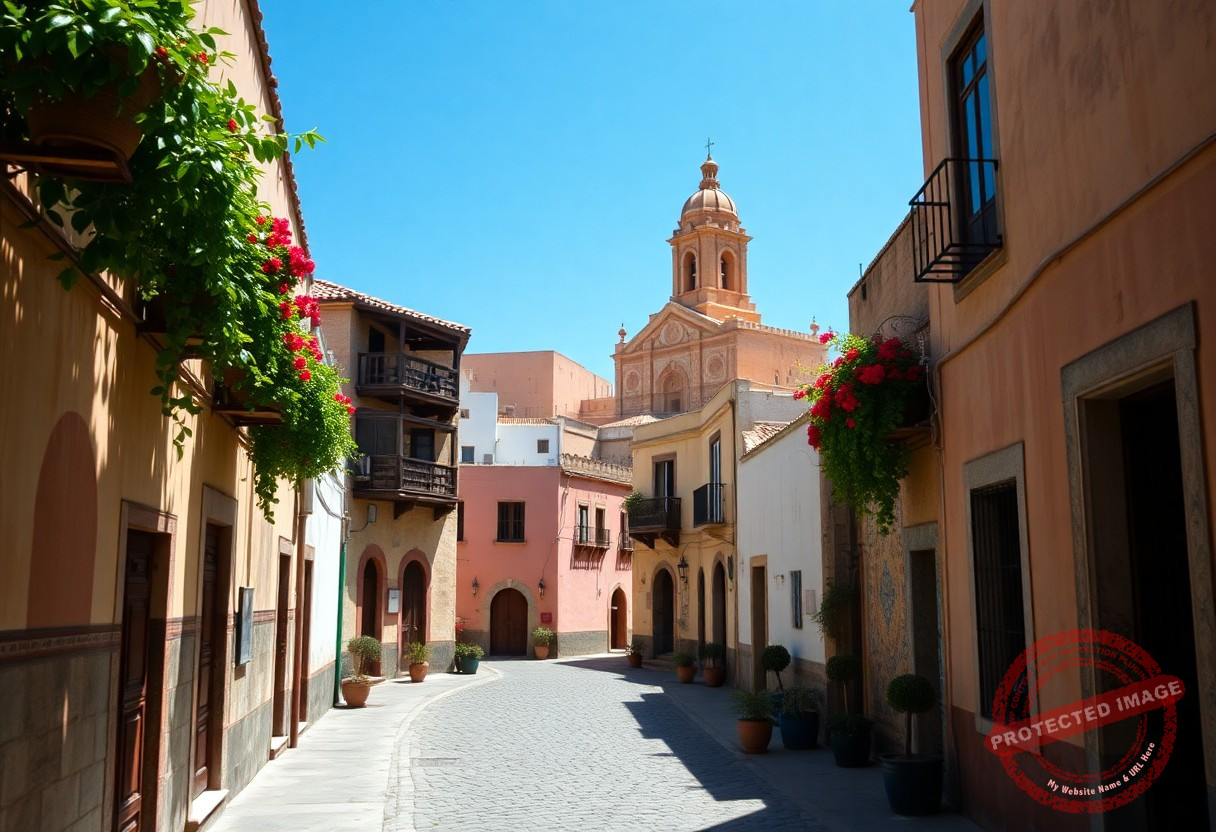
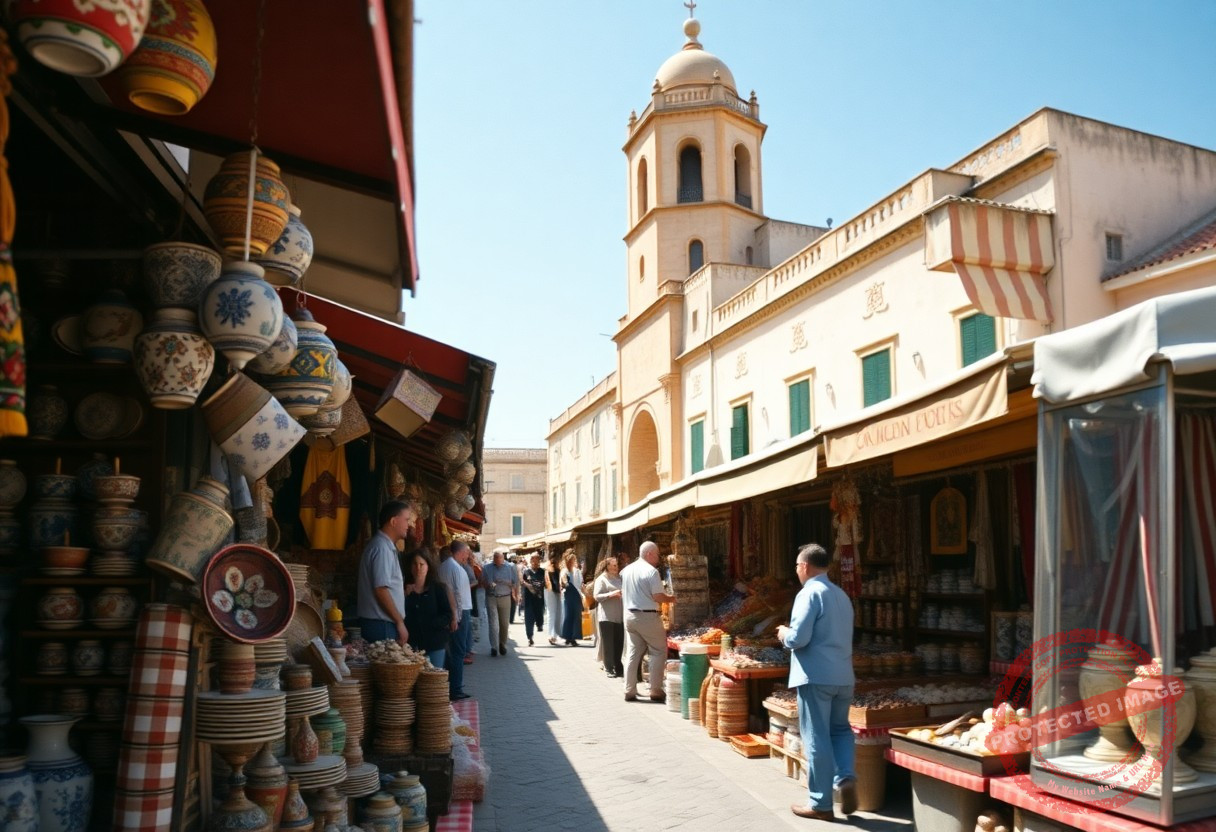
Your journey begins in the historic Medina, where you can wander through winding alleys adorned with traditional Spanish tile work. After exploring the vibrant souks, make your way to the Royal Palace and then visit the homely Museo de la Kasbah. Plan to enjoy lunch at a local Spanish-themed bistro, where you can indulge in tapas and paella, perfectly echoing the culinary influence that Spain has left behind. In the afternoon, take a stroll along the waterfront promenade, which showcases stunning views of the Strait of Gibraltar.
Local Recommendations
Tips for Engaging with the Local Community
To truly immerse yourself in the vibrant life of Tangier, you should prioritize genuine engagement with the local community. This not only enriches your experience but also builds mutual respect and understanding. Begin by visiting local markets, cafes, or cultural centers where you can interact with locals. Volunteering for community projects is another excellent way to connect with residents and show your commitment to the area.
- Seek out local guides who can offer authentic perspectives.
- Attend neighborhood meetings or town hall gatherings.
- Participate in workshops or classes on traditional crafts.
- Support local businesses and artisans when purchasing souvenirs.
Recognizing the impact that small gestures can make in fostering friendships will enhance your journey significantly.
Learning the Language
Learning even a few phrases of Arabic or Spanish can go a long way in Tangier, where both languages coexist. This effort not only facilitates smoother communication but also demonstrates your respect for the culture. Engaging in language exchanges or enrolling in local language classes can also open doors to deeper connections with residents.
Consider using language-learning apps or practicing with local friends. Many Tangerians appreciate when visitors attempt to speak their language, creating an immediate bond. By mastering necessary vocabulary related to daily life, you’ll make interactions more personal and meaningful.
Participating in Cultural Events
Diving into Tangier’s cultural events provides a rich opportunity to understand local traditions and beliefs. Festivals such as the Festival of the Mediterranean celebrate music, food, and art, attracting both locals and visitors. Engaging in these events allows you to witness the colorful heritage of the region firsthand, and often gives you a chance to participate in traditional activities.
Joining in the celebrations, whether through dance, cooking workshops, or local music performances, allows you to connect with the community in a lively and enjoyable atmosphere. Furthermore, participating in these events often garners appreciation and fosters friendships, making your experience more rewarding. From the lively atmosphere of street festivals to intimate gatherings celebrating local traditions, every event offers insights into life in Tangier.
Preservation and Future of Spanish Influence
Ongoing Restoration Efforts
You can witness the growing enthusiasm surrounding the restoration of Spanish heritage sites in Tangier. Initiatives spearheaded by local governments and cultural organizations are revitalizing historical structures, such as the Spanish Consulate and various colonial-era buildings. These efforts not only preserve physical reminders of the past but also enhance the city’s allure for tourists and history enthusiasts alike. The restoration projects often incorporate traditional techniques, ensuring that the authenticity of the structures is upheld while adapting to modern preservation standards.
Furthermore, donations and collaborations with international bodies have increased funding for these initiatives. As reported in a study available through The Spanish Language Presence in Tangier, Morocco, local artisans are also being trained in heritage conservation techniques. This approach not only secures the expertise needed for ongoing projects but also promotes a sustainable model for future preservation efforts, marrying historical respect with community engagement.
Community Involvement
You can actively participate in the preservation of Spanish influence by engaging with local community initiatives that celebrate this rich heritage. Community-driven festivals and educational programs highlight the significance of Spanish culture in Tangier and encourage residents and visitors alike to appreciate the cultural tapestry of the city. You may find events featuring traditional Spanish music, art exhibits showcasing local adaptations of Spanish styles, and workshops that teach the Spanish language, helping to keep this aspect of Tangier’s identity alive.
Your role as a visitor can extend to supporting these local efforts through participation and advocacy. Joining in local festivities or volunteering with restoration projects fosters a deeper connection with the community and contributes to the ongoing dialogue about cultural preservation. The more you engage with residents, the greater your understanding of the nuances in the historic relationship between Spain and Morocco, further enriching your experience in Tangier.
Conclusion
Considering all points, you can appreciate that the Spanish influence on Tangier has significantly shaped its cultural, architectural, and social landscape. Your understanding of this complex history reveals how colonial legacies have intertwined with local traditions, creating a unique tapestry that continues to evolve. By examining the enduring presence of Spanish architecture and the cultural fusions found in everyday life, you gain a deeper insight into the implications of colonial encounters and their lasting impacts.
Your exploration of Tangier’s history underscores the importance of recognizing the multilayered narratives that contribute to contemporary identity. As you reflect on this interplay between Spanish influence and local heritage, you become more aware of the ongoing dialogues that continue to shape Tangier today. This awareness not only enriches your knowledge of the region but also enhances your appreciation for the diverse influences that have formed its character over centuries.
FAQ
Q: What historical events mark the beginning of Spanish influence in Tangier?
A: The historical influence began in the late 15th century when the Spanish captured Tangier in 1471. The establishment of Spanish control set the stage for cultural and architectural changes in the region.
Q: How did Spanish architecture influence Tangier’s cityscape?
A: Spanish architecture introduced styles such as Mudejar and Baroque, evident in structures like the Royal Palace and various churches. These designs incorporated local materials and techniques, creating a unique blend.
Q: In what ways did the Spanish language affect local dialects in Tangier?
A: Spanish influence contributed to the development of local dialects, where many Spanish words and phrases merged with Arabic and Berber languages, enriching the linguistic diversity in the region.
Q: What role did literature play in showcasing the Spanish impact on Tangier?
A: Spanish literature during the colonial period documented Tangier’s culture and society, often depicting the city’s unique blend of Moorish and European influences, which contributed to its literary significance.
Q: How does modern Tangier reflect its historical Spanish influence?
A: Today’s Tangier showcases a fusion of Spanish colonial architecture, cultural festivals, and a vibrant arts scene, serving as a testament to its complex historical relationship with Spain.