

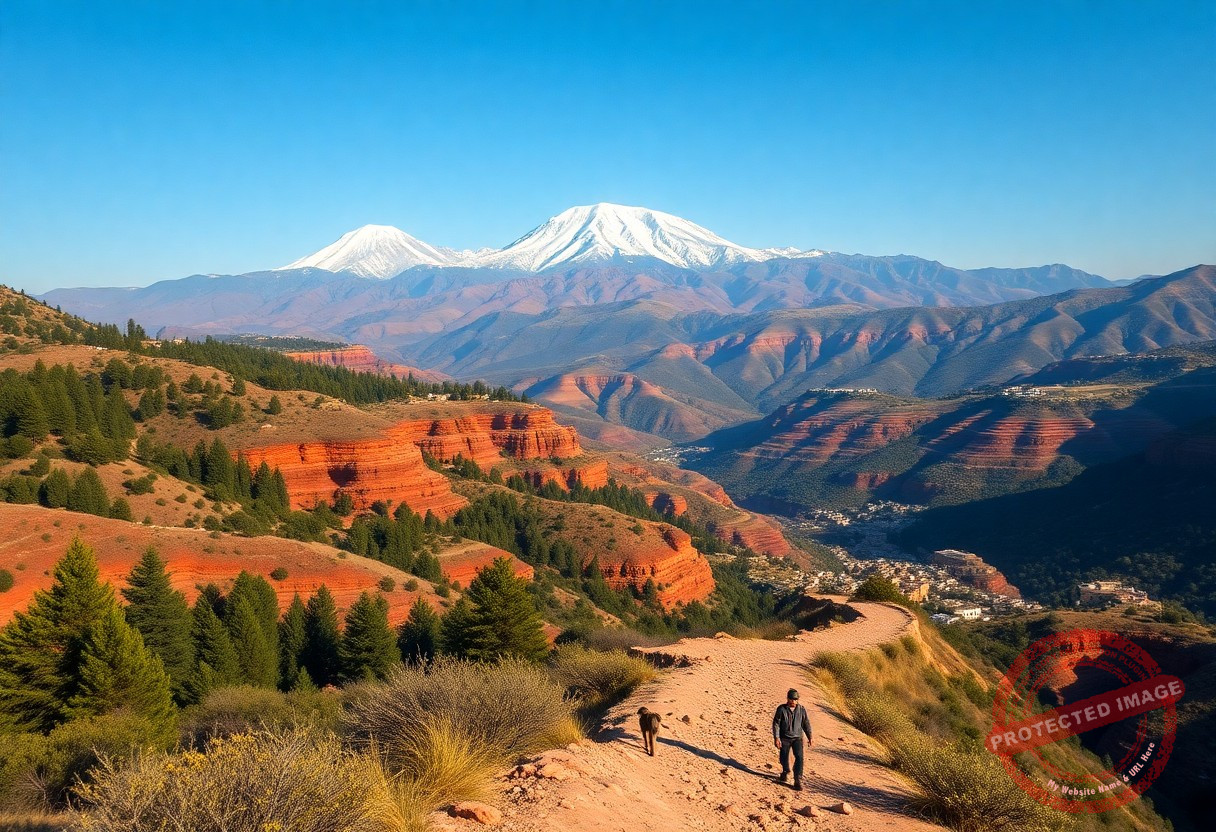
Many travelers find Morocco’s highlands offer unmatched biodiversity and cultural depth, and you can plan hikes, birdwatching, and village visits across the Rif, Atlas and Anti-Atlas ranges; consult THE MOUNTAIN CHAINS IN MOROCCO guide for maps and logistics to help your itinerary, ensuring your routes suit your fitness level and season while maximizing scenery and local encounters.
Advertisement
Key Takeaways:
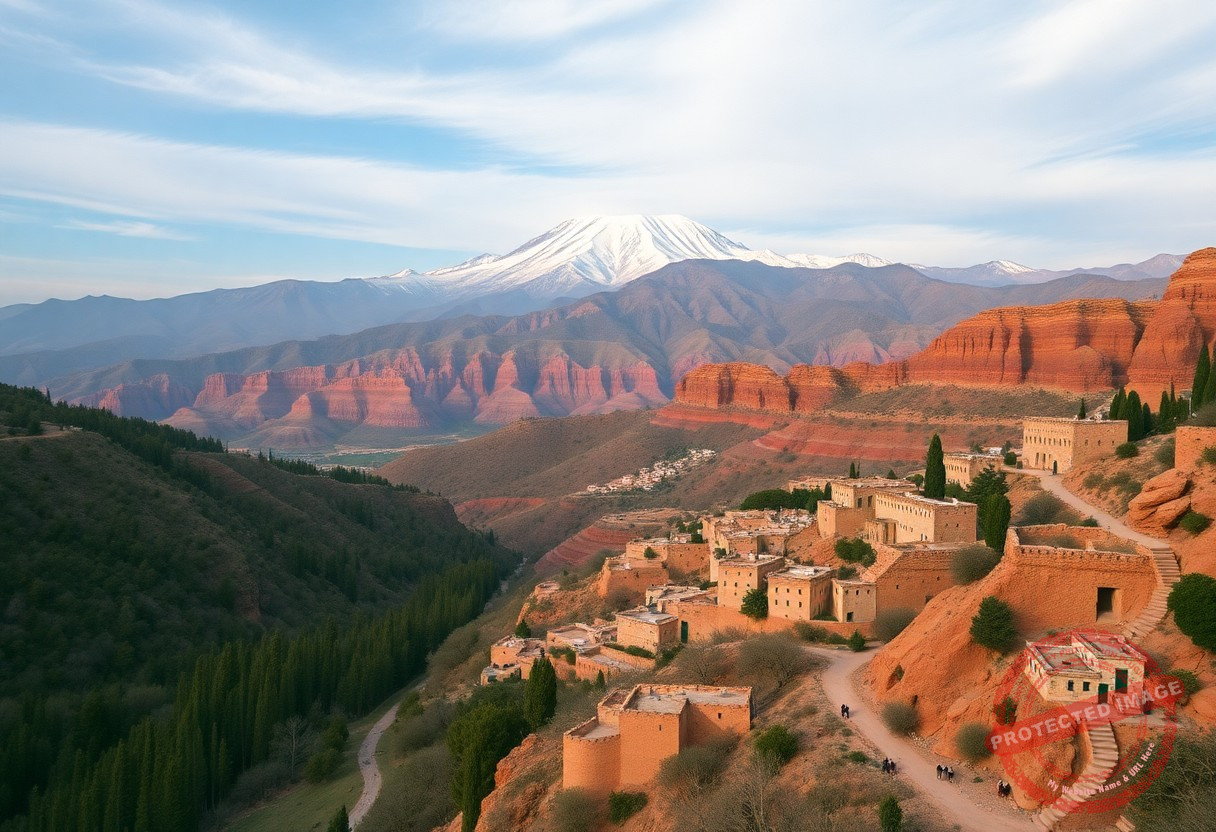
- High Atlas – home to Jebel Toubkal, offers high-altitude trekking, dramatic peaks, and panoramic valleys.
- Middle Atlas – known for cedar forests, lakes and Barbary macaques; ideal for wildlife viewing and gentler hikes.
- Anti-Atlas – sculpted sandstone ridges and desert vistas perfect for off-the-beaten-path exploration and stargazing.
- Rif Mountains – lush, coastal-influenced ranges with scenic trails around Chefchaouen and rich cultural encounters.
- Jebel Sirwa – volcanic massif with remote routes, rugged terrain and traditional terraced villages for solitude-seekers.
- Best seasons & logistics – spring and autumn offer mild conditions; winter suits High Atlas skiing; local guides recommended for remote areas.
- Cultural & conservation notes – many routes pass Berber communities; practicing low-impact travel supports local livelihoods and preserves habitats.
The Atlas Mountains
Overview of the Atlas Mountains
Spanning roughly 2,500 km across Morocco, Algeria and Tunisia, the Atlas Mountains present dramatic ridgelines and deep valleys; in Morocco the High Atlas peaks at Mount Toubkal (4,167 m). You’ll pass cedar forests, terraced Berber villages and seasonal snowfields that shape trail conditions. Weather can shift rapidly with altitude, so plan your route around elevation changes. Local biodiversity-Barbary macaques, endemic plants-and living mountain culture make each valley distinct.
Key Hiking Routes and Attractions
In the High Atlas, Mount Toubkal (4,167 m) is the classic objective-most hikers summit via a 2-day route from Imlil; you can also explore the Mgoun massif (M’Goun, ~4,071 m) on multi-day circuits. Aït Bougmez (the “Happy Valley”) offers gentler 3-5 day treks, while the dramatic Todra and Dades gorges reward shorter day hikes and canyon walks. Oukaïmeden provides winter skiing and alpine terrain near Marrakech.
For logistics, Marrakech serves as the usual base with Imlil about 90 minutes by car; hiring a local guide not only helps with route-finding above 3,000 m but supports village economies. Seasonal strategy matters-aim for May-June or September-October for minimal snow and stable weather, acclimatize gradually, and plan gîte or refuge stays to manage altitude and enjoy authentic Berber hospitality.
The Rif Mountains
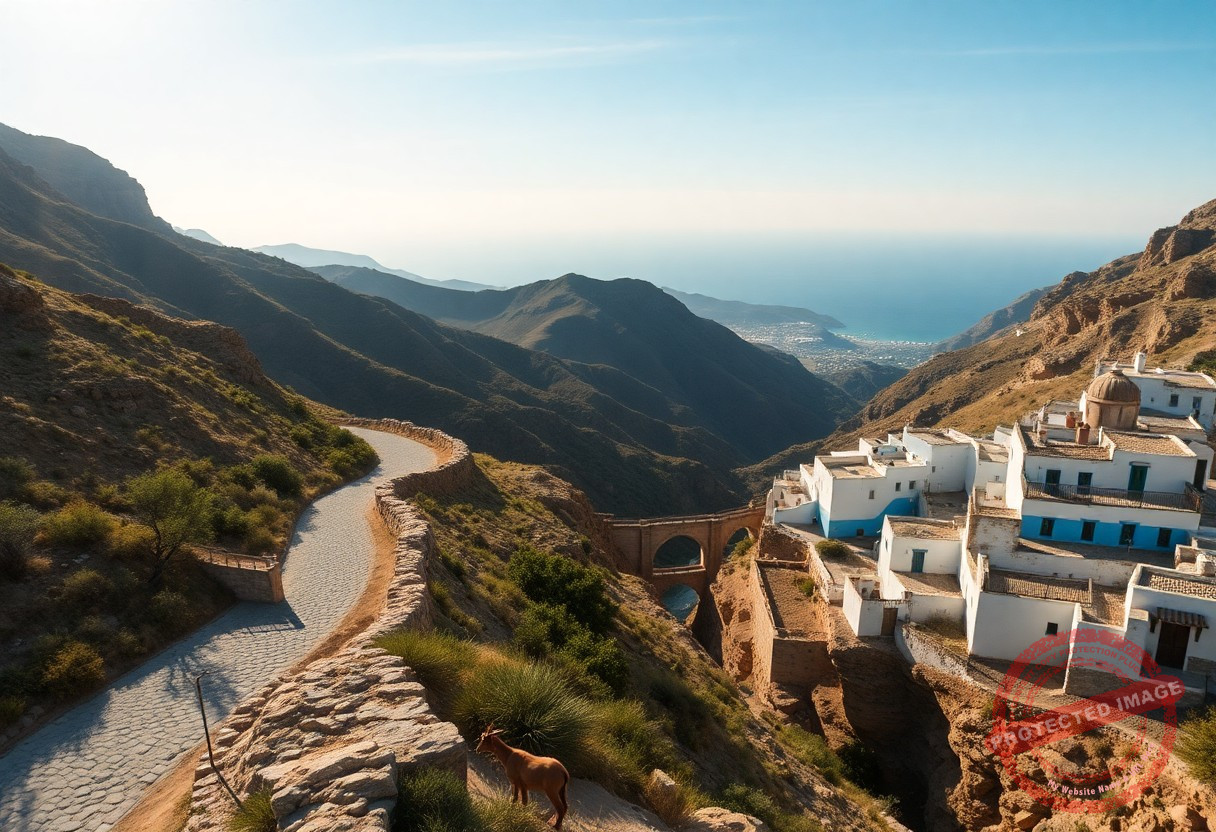
You can trace narrow trails through the Rif’s blue-hued valleys to Chefchaouen (around 600 m elevation) and the Akchour waterfalls roughly 30 km away, where steep ridges meet Mediterranean coastlines. Hike options range from easy 2-4 hour loops to multi-day ridge traverses, and you can compare routes and logistics with guides in this roundup: Moroccan Travel: The 5 Best Places for Hiking in Morocco.
Unique Landscape Features
You’ll encounter limestone plateaus, deep karst gorges and pockets of cork oak and holm oak woodland that host endemic flora. Trails lead past dramatic natural bridges near Akchour and through Talassemtane National Park’s rare mountain fir groves, offering elevation changes of several hundred meters within short distances and panoramic views of the Mediterranean on clear days.
Cultural Significance and Exploration
You’ll meet Riffian Berber communities speaking Tarifit, selling handwoven textiles and locally pressed olive oil in village souks. Chefchaouen’s medina, with 15th-century origins, provides immersive streetscapes and small museums; your interactions with artisans and market vendors reveal living traditions shaped by centuries of mountain life and historic Spanish influence.
For deeper cultural immersion, you can join village homestays or guided walks that connect you with shepherding and cork-harvesting practices; many local guides charge modest daily rates and arrange visits to cooperative workshops. Practical examples include half-day excursions to dyeing studios in Chefchaouen and multi-day treks that finish with a communal meal, giving you direct insight into seasonal rhythms and mountain livelihoods.
The Anti-Atlas Mountains
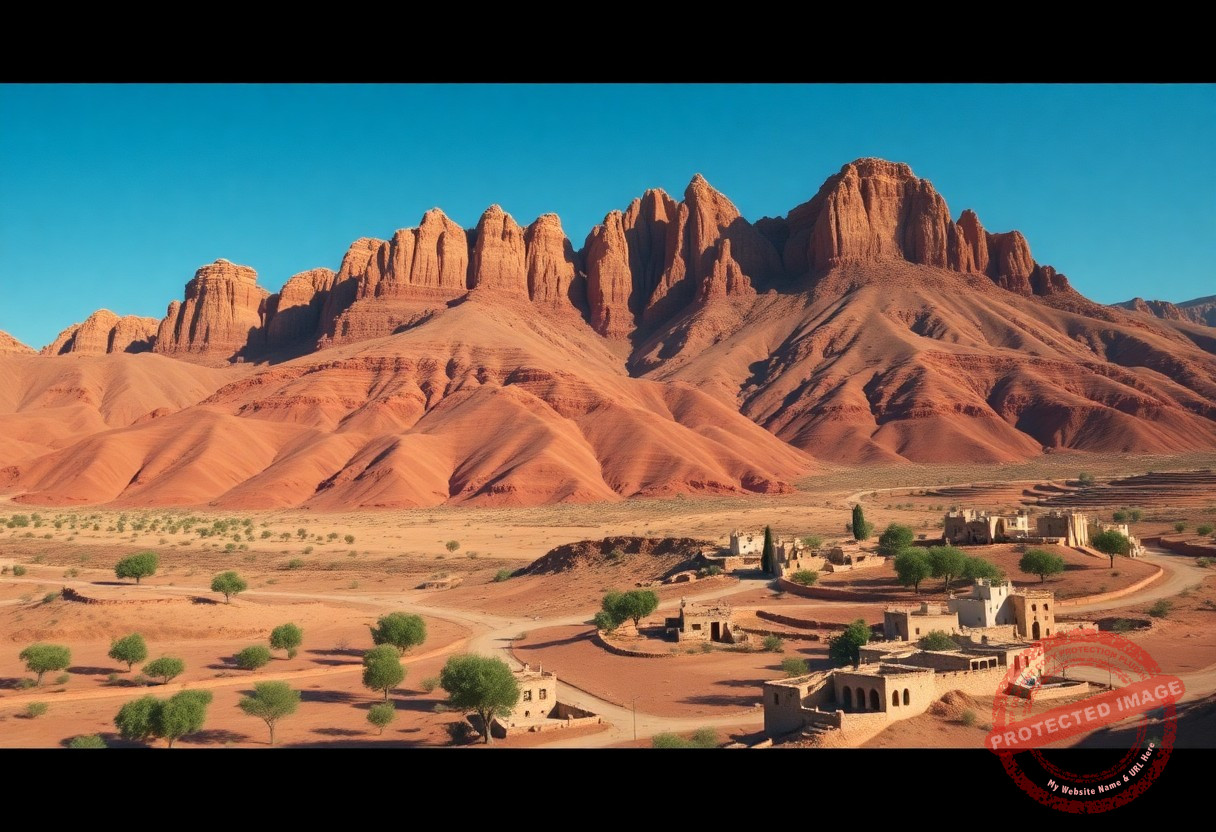
You’ll encounter an older, sculpted landscape where folded metamorphic rock and pink granite domes frame terraced Berber villages such as Tafraoute; peaks commonly top 2,000 meters and carved gorges open into argan-forested valleys. You can use curated route ideas and local reviews on TripAdvisor to plan excursions: THE 15 BEST Morocco Mountains to Visit (2026).
Geology and Flora
You’ll notice Precambrian-Paleozoic outcrops, schists and granite tors that create steep, weathered ridges and rounded domes; soils shift from stony slopes to alluvial pockets. Argan woodlands dominate lower elevations, while juniper and scrub appear above 1,000-1,500 meters, and spring after-winter blooms of thyme and bulbous species color oasis pockets.
Adventure Opportunities
You can choose single-day 5-15 km hikes around Tafraoute, multi-day 40-60 km traverses into Jebel Sirwa approaches, technical bouldering on polished granite, or canyon descents in Aït Mansour Gorge. Cultural treks with village stays let you combine climbing and local hospitality, with spring and autumn offering the best conditions for longer, technical routes.
You should plan for typical spring/autumn temperatures of 10-25°C, much hotter in summer and cold nights in winter; carry 2-3 liters of water per day, a 30-40 L pack, sturdy boots, sun protection and a headlamp. Hire a local Berber guide from Tafraoute or Taroudant for navigation and mule support on 2-4 day routes-guided trips reduce risk on unmarked tracks and often include village connections and logistics.
The Sahara Mountains
Desert Landscapes and Ecosystems
Rising dunes such as Erg Chebbi reach about 150 meters, sitting beside stony hamada and scattered oases like Tafilalt; you’ll see date palms, tamarisk and acacia anchoring small settlements. Wildlife includes dromedaries, fennec foxes and desert reptiles adapted to extremes, while seasonal temperatures often top 40°C in summer and can drop below 5°C on winter nights, shaping every aspect of life and landscape.
Activities for Exploration
You can join 1-3 night camel treks from Merzouga or M’Hamid, take 4×4 expeditions to remote ergs like Chigaga, try sandboarding on steep dune faces, and photograph desert light at sunrise. Stargazing here is exceptional-away from light pollution-while local ksour and fossil markets near Erfoud add cultural depth to your route.
Plan for spring or autumn to avoid peak heat, carry 3-4 liters of water daily and layered clothing for cold nights, and hire local Berber guides for navigation and cultural insight. Expect camel pace around 4-5 km/h so daily distances are moderate; many desert camps offer organized 1-2 night packages with dinner, tents and sunrise pickups, while 4×4 transfers cut travel time but need experienced drivers for dune crossings.
The Siroua Mountains
Rising to over 3,000 meters between the High Atlas and Anti-Atlas, Siroua’s volcanic domes and basalt plateaus offer dramatic terrain and ancient terraced agriculture. You can trek past Berber villages, cross fields where Taliouine’s saffron is cultivated, and follow shepherd trails used for seasonal transhumance. Expect stark rock formations punctuated by spring wildflowers and clear night skies ideal for stargazing; several routes reward you with panoramic views of neighboring ranges.
Hidden Gems and Scenic Views
Hike ridgelines toward Jbel Siroua for 360° panoramas over Anti-Atlas valleys and distant High Atlas peaks. You’ll find basalt badlands, spring carpets of crocus and endemic herbs, and secluded plateaus where traditional stone shelters (azibs) punctuate the landscape. Photographers can catch saffron fields shimmering in October-November, while early-morning light reveals centuries-old terraces that frame remote villages below.
Wildlife and Conservation Efforts
Siroua supports xeric shrublands, scattered juniper and oak patches, raptors like Bonelli’s eagle and peregrine falcon, and populations of Barbary sheep; you can spot signs of these species along higher slopes. Local universities and NGOs run monitoring programs and pasture-management initiatives, and saffron cooperatives in Taliouine provide alternative livelihoods that reduce pressure on grazing lands.
Conservation here blends science and community action: grazing rotas, seed-saving for endemic plants, and ranger surveys track population trends and habitat recovery. By joining guided treks or staying in cooperative-run guesthouses you directly fund these efforts; pilot management zones have reported measurable habitat improvement where local rules limit herd movement during spring regeneration.
Tips for Exploring Morocco’s Mountain Ranges
When planning routes, factor altitude: Jebel Toubkal is 4,167 m and some High Atlas approaches take 4-8 hours.
- Hire a local guide-typically €25-50/day-for remote valleys.
- Carry 2 L+ water and a filter; summer springs can run dry.
- Pace ascents; rest days reduce altitude sickness risk.
Any ascent above 3,000 m should include an overnight at 2,500-3,000 m.
Best Times to Visit
Spring (March-May) gives you wildflowers and comfortable daytime temps of 10-25°C across the High Atlas, ideal for trekking; trails are less dusty than summer. Autumn (September-November) brings stable weather and 8-20°C on most ridges, excellent for long routes. Winter (December-February) deposits snow above 2,000 m-great for alpine scenery but requiring crampons for Toubkal (4,167 m). Summer heats lower valleys to 30-35°C, so plan early starts or higher-altitude treks.
Essential Gear and Preparation
Pack layered clothing: base layers, an insulating down jacket, a waterproof shell, and sturdy boots with ankle support; expect temperatures to drop 6-10°C per 1,000 m. Bring a headlamp, map/GPX device with spare battery, first-aid kit, water filter, and a lightweight stove for multi-day treks. Carry crampons and an ice axe if you’ll exceed 3,000 m in winter, and budget €25-50/day for a licensed guide on remote routes.
For a typical Toubkal ascent from Imlil plan a 2‑day itinerary and a base pack of 8-12 kg; you can hire mules in Imlil for roughly €15-25 to carry heavier bags. Ascend no more than 300-500 m per day above 2,500 m and drink about 3 L/day to reduce altitude effects. Carry local cash (many villages lack ATMs), a Moroccan SIM for emergencies, and confirm evacuation options with your guide before departure.

Final Words
Summing up, if you seek varied terrain, rich culture and accessible wilderness, the top five Moroccan mountain ranges offer everything from high peaks and glaciated valleys to desert plateaus and verdant cedar forests; by exploring them you will elevate your skills, deepen your appreciation for North African landscapes and discover routes suited to your interests and fitness level.
FAQ
Q: Which are the top five mountain ranges in Morocco every nature lover should explore?
A: High Atlas (highest peaks, including Jbel Toubkal 4,167 m), Middle Atlas (cedar forests, lakes and Barbary macaques), Rif Mountains (lush Mediterranean slopes and the blue town of Chefchaouen), Anti-Atlas (ancient folded rocks, dramatic red landscapes around Tafraoute), and Jbel Saghro (remote, volcanic-like massifs prized for solitude and multi-day desert-style treks).
Q: What is the best time of year to visit each range for hiking and wildlife viewing?
A: High Atlas – late spring to early autumn (May-October) for most trails; winter offers snow routes for experienced climbers. Middle Atlas – spring and autumn for mild weather, spring for wildflowers and active macaques. Rif – spring and autumn are best; summers can be hot near lower elevations. Anti-Atlas – autumn to spring to avoid extreme summer heat; cool nights are common. Jbel Saghro – autumn to spring for comfortable trekking temperatures; avoid midsummer heat.
Q: What flora and fauna can I expect to encounter in these ranges?
A: High and Middle Atlas host Atlas cedar stands, juniper, and alpine meadows; look for Barbary sheep (mouflon), red fox, raptors and, in the Middle Atlas, Barbary macaques. Rif supports Mediterranean oak and cork oak woodlands, diverse birdlife and small mammals. Anti-Atlas and Saghro are home to drought-adapted shrubs, acacias, argan trees on lower slopes, reptiles and hardy desert-adapted mammals; migratory birds use these ranges seasonally.
Q: What hiking routes and difficulty levels should I plan for in each range?
A: High Atlas – routes from Imlil to Jbel Toubkal (challenging, usually 2-3 days); Aït Bougmez and M’Goun valleys offer multi-day but less technical treks. Middle Atlas – short to moderate day hikes around Ifrane, Azrou and lakes ideal for families. Rif – moderate trails around Chefchaouen and Talassemtane National Park with steep but shorter routes. Anti-Atlas – mixed terrain, many moderate day hikes (Tafraoute rock routes) and longer treks requiring navigation. Jbel Saghro – remote multi-day routes with rugged terrain suited to experienced hikers; some routes require camping and route-finding skills. Altitude acclimatization recommended for peaks above ~3,000 m.
Q: How do I arrange logistics, guides, transport and accommodation for these areas?
A: Use Marrakech as a base for High Atlas and Anti-Atlas excursions; Ouarzazate or Agdz for southern approaches; Ifrane or Azrou for Middle Atlas; Chefchaouen or Tetouan for the Rif; Tazzarine/N’Qob or Agdz for Saghro. Hire licensed local guides or mountain agencies for summit attempts and remote treks; muleteers and porters are available for multi-day routes. Accommodation options include mountain refuges (e.g., Refuge Toubkal), gîtes, riads in towns, and community guesthouses in villages; wild camping is possible in remote areas but check local rules.
Q: What safety, health and environmental precautions should nature lovers take?
A: Prepare for altitude and temperature swings; carry sun protection, hydration, layered clothing and a basic first-aid kit. Be aware of flash-flood risk in narrow gorges during storms and poor road conditions in remote areas. Use trained guides in winter or on high, technical routes. Practice Leave No Trace: pack out waste, avoid collecting plants or cultural artifacts, and respect grazing lands. Do not feed wildlife, and secure food to deter animals.
Q: How can visitors engage respectfully with local communities and experience cultural highlights while exploring these ranges?
A: Stay in village guesthouses or homestays operated by Berber families, hire local guides and muleteers to support the economy, and join communal meals to sample tagine, couscous and mint tea. Ask permission before photographing people, dress modestly in rural settlements, and bargain politely for crafts. Attend local markets and seasonal festivals when possible to learn about traditional music, weaving and pastoral life.