
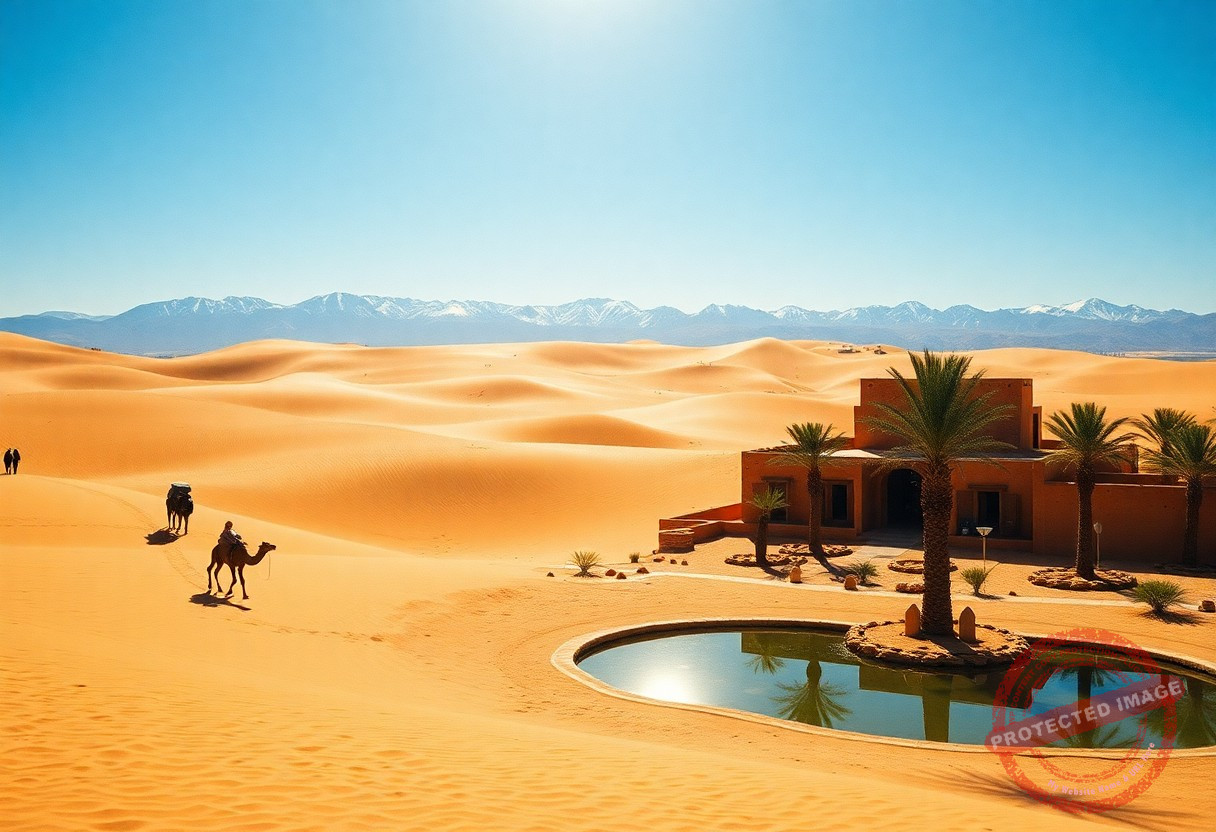
Just as you traverse Morocco’s shifting desert dunes and ascend its snowy Atlas peaks, you’ll encounter diverse ecosystems, ancient oases, and unique wildlife; this guide gives practical routes, seasonal tips, and cultural context so you can plan your safe, immersive journeys that maximize discovery while respecting local environments and traditions.
Advertisement
Key Takeaways:
- Morocco offers dramatic landscape contrasts-from Sahara dunes (Erg Chebbi, Erg Chigaga) to snowy High Atlas peaks (Toubkal).
- Best times to visit vary: spring and autumn for comfortable desert and mountain weather; winter for skiing and snow-trekking in the Atlas.
- Popular activities include camel treks, multi-day desert camps, high-altitude hiking, and winter sports around Ifrane and Oukaïmeden.
- National parks and reserves (Toubkal, Souss-Massa, Talassemtane) protect diverse habitats and endemic species like the Barbary macaque.
- Local Berber communities offer cultural encounters and guided treks; hiring local guides supports livelihoods and route safety.
- Travel logistics: expect rough terrain-4×4 transport, proper permits for some treks, and variable road conditions to remote sites.
- Practice responsible travel: conserve water, follow Leave No Trace principles, and respect protected areas and local customs.
The Diverse Landscapes of Morocco
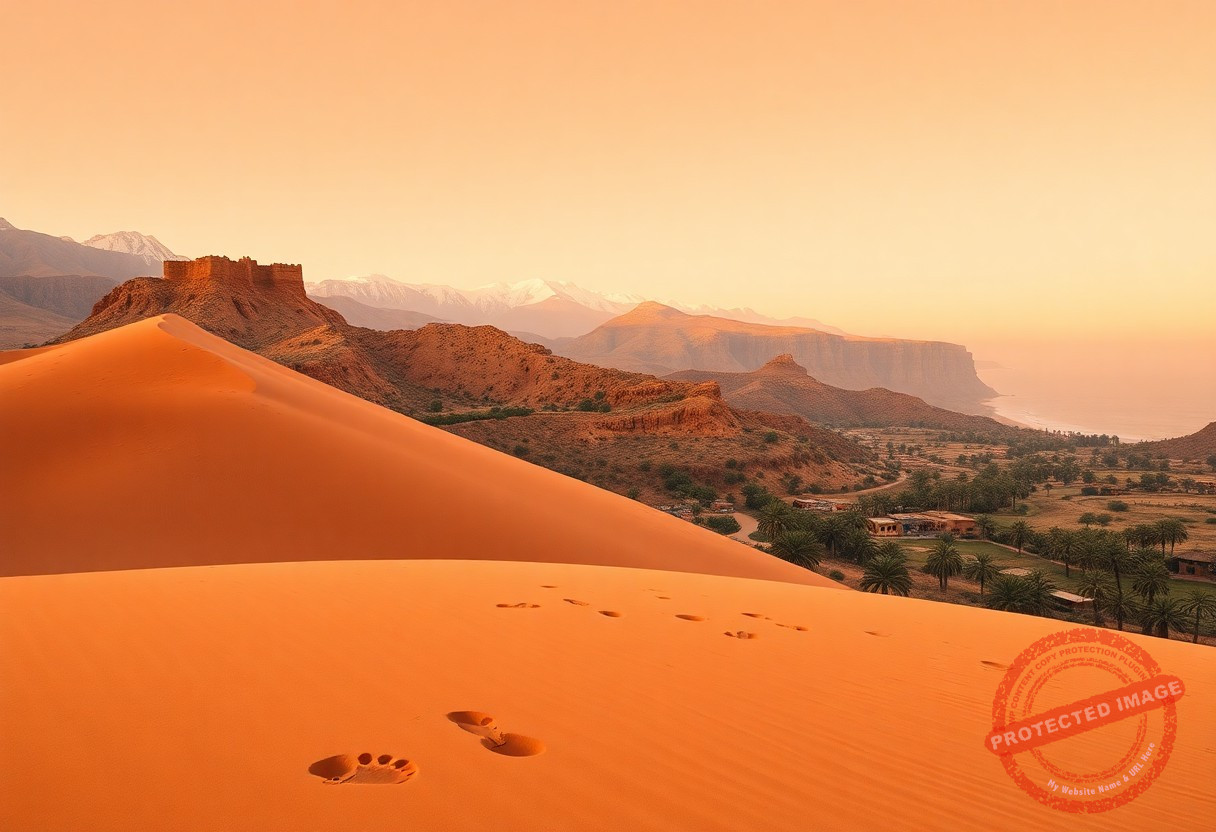
You cross snow-capped Atlas peaks like Toubkal (4,167 m), descend into cedar forests and fragrant valleys, then follow routes past oases and vast ergs toward the Atlantic and Mediterranean shores; consult The Most Fascinating Landscapes of Morocco for detailed itineraries and standout sites.
The Sahara Desert
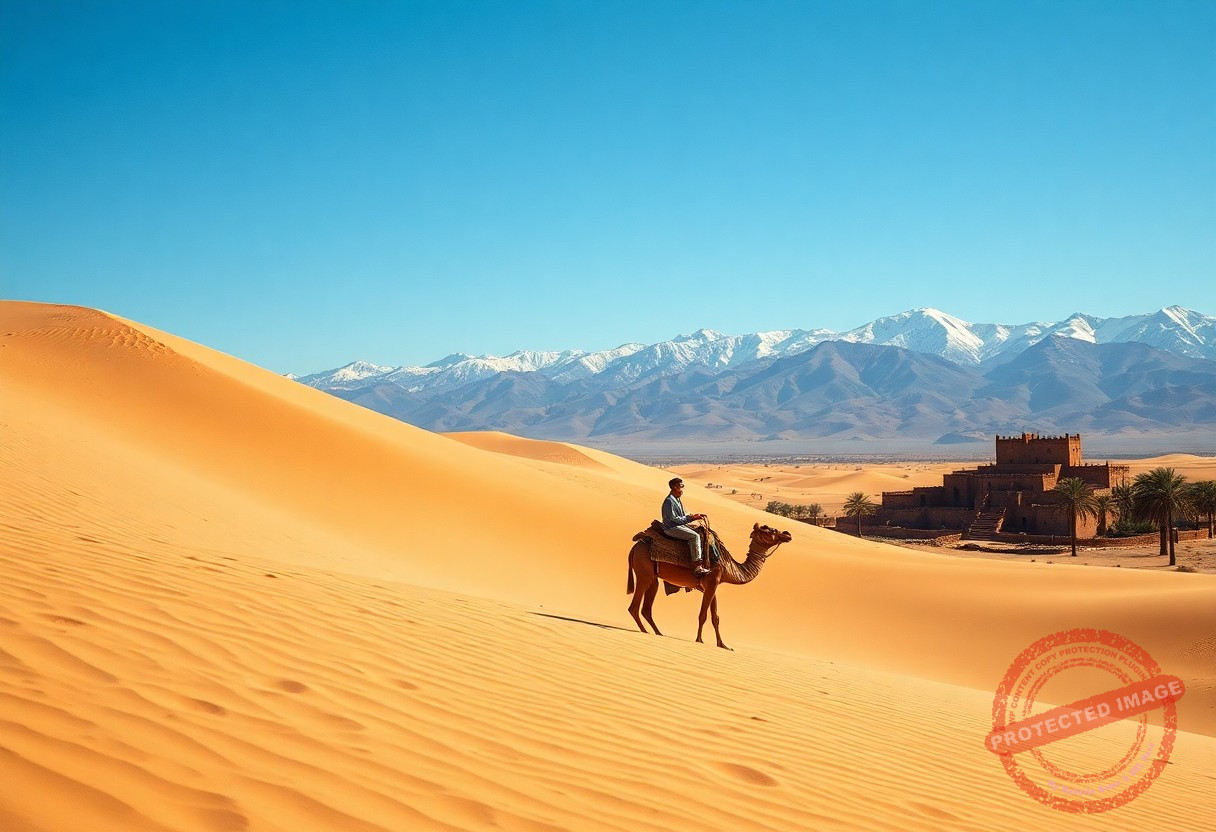
You encounter sweeping ergs such as Erg Chebbi and Erg Chigaga, with dunes rising to about 150 m near Merzouga; overnight camel treks and Berber camps let you study dune morphology, nocturnal wildlife and stellar skies while local guides teach you navigation by wind-formed ridgelines.
Coastal Regions
You trace two distinct coastlines: the Atlantic’s long swell with surf hubs like Taghazout and Essaouira (UNESCO-listed medina since 2001), and the calmer Mediterranean near Tangier; fishing ports, cliffs and sandy bays create diverse marine habitats and vibrant seaside towns to explore.
You can kayak in Oualidia’s sheltered lagoon, sample fresh oysters, or birdwatch in coastal wetlands during migration; winter swells (peak December-March) attract surfers while southern cliffs near Agadir offer rugged vistas and accessible marine reserves for snorkeling and guided boat trips.
The Atlas Mountains
Geographical Overview
You see the High Atlas rising to 4,167 m at Jbel Toubkal, forming a roughly 2,500 km spine across northwest Africa; in Morocco the chain runs east-west with major passes like Tizi n’Tichka (2,260 m) and deep valleys such as the Ourika and Dades where terraced farms cling to steep slopes and seasonal snow feeds downstream oases.
Flora and Fauna
Flora ranges from olive and almond groves to cedar forests dominated by Cedrus atlantica between roughly 1,200-2,200 m, while you can spot Barbary macaques and raptors like the bearded vulture; birders often consult trip reports such as Victor Emanuel Nature Tours – Morocco Desert Dunes to … for seasonal sightings.
On higher slopes you’ll encounter alpine meadows above 3,000 m with endemic herbs and cushion plants, and a mosaic of forest, scrub and pasture that supports wild boar, small carnivores and localized songbirds; conservation programs emphasize cedar restoration and sustainable grazing, so your choice of guide and operator can directly aid habitat protection.
Ecotourism in Morocco
In Morocco you’ll see ecotourism at work in places like the Argan Biosphere Reserve (UNESCO, 1998) and on routes up Jbel Toubkal (4,167 m), where guided treks, bird-monitoring surveys and solar-powered desert camps near Erg Chebbi direct revenue into conservation. You can join reforestation efforts in the High Atlas, participate in citizen-science bird counts at Souss-Massa, or opt for low-impact camel treks that limit vehicle access and light pollution in sensitive habitats.
Sustainable Practices
Operators increasingly adopt solar hot water, rainwater harvesting and rammed-earth construction to reduce footprints. You will find composting toilets at desert camps outside Merzouga, greywater systems irrigating argan orchards, and marked low-impact trails in Toubkal National Park that cut erosion; many lodges track water and waste with simple metrics to lower consumption year on year.
Community Involvement
Local cooperatives let you buy directly from producers: argan cooperatives around Essaouira provide income to thousands of women, while Amazigh guesthouses in the High Atlas channel trek earnings into schooling and trail upkeep. You can book community-guided walks in Aït Bouguemez or home-cooked meals in Sidi Ifni, ensuring fees stay local and traditional knowledge-like seasonal grazing rhythms-helps shape visitor routes.
One concrete example is the work of the High Atlas Foundation: you can visit reforestation plots and vocational training centers where locals become guides or lodge technicians. When you choose those operators you support agroforestry that stabilizes slopes and apprenticeship programs teaching solar maintenance, hospitality and English, so tourism builds lasting skills and diversified incomes beyond seasonal guiding.
Adventure Activities
You’ll encounter varied challenges across Morocco’s landscapes, from 4,167 m Toubkal summit pushes to dune-sprint sessions on Erg Chebbi’s 150 m ridges. Day trips, multi-day treks and 4×4 desert crossings run year-round, with guides based in Imlil, Merzouga and M’hamid tailoring routes by season to match snow on peaks or Sahara heat.
Trekking and Hiking
You can tackle Jebel Toubkal (4,167 m) on a common 2-day ascent from Imlil with an overnight at the refuge. Local guides plot routes across the High Atlas, Rif and Anti-Atlas; expect 6-8 hour summit days across scree, mule tracks and cedar forests. For shorter outings, Todra Gorge and Dades Valley offer 2-4 hour canyon walks with dramatic 200-300 m limestone walls.
Desert Safaris
In Merzouga and M’hamid you can pick camel treks into Erg Chebbi or Erg Chigaga, or opt for 4×4 expeditions that reach the deepest dunes in 3-6 hours. Camps provide bivouac nights under stars, guided sunset climbs and musical gatherings at the fire. Operators commonly include sunrise walks the next morning and handle transport logistics back to town.
Trips typically range from half-day 4×4 drives to 1-3 night camel safaris, with overnight treks usually 1-2 nights to catch sunrise and sunset light. You should pack layered clothing (summer highs can reach 40-45°C; winter nights may drop near 0°C), carry 2-3 liters of water daily, and hire licensed guides from Merzouga or M’hamid who know safe tracks, permit rules and shelter locations.
Cultural Insights
You’ll notice how terrain shapes daily life: the Agafay stone desert lies about 30 km from Marrakech and contrasts sharply with the High Atlas, whose Toubkal peak reaches 4,167 m. Rituals, crafts and routes follow those landscapes; see A Journey Through Morocco’s Agafay and Atlas Mountains for field examples of how locals adapt trade, tourism and seasonal movement to geology and climate.
Local Traditions and Customs
You’ll encounter enduring practices: mint tea served in three rounds, slow-cooked tagines simmered 2-3 hours, and communal bread ovens in villages where families bake weekly loaves. Henna adornment marks weddings and harvest rites, while medina workshops in Fez and Chefchaouen preserve centuries-old dyeing and leather techniques passed down through generations.
The Influence of Nature on Moroccan Culture
You’ll find nature woven into economy and belief: argan forests in the southwest (a UNESCO Biosphere Reserve since 1998) supply argan oil produced by Amazigh women’s cooperatives, and cedar from the Middle Atlas feeds traditional carpentry. Snowmelt from the High Atlas irrigates olive and almond terraces that shape diets and seasonal festivals tied to harvests.
You’ll also witness transhumance, where shepherds move flocks seasonally from low plains to summer pastures, sometimes shifting altitudes by over 2,000 m. Festivals like the Imilchil marriage fair each September draw thousands, and mountain herbs such as thyme and rosemary are harvested for medicine and market, directly linking ecology to social and economic life.
Wildlife Conservation
Across Morocco you find targeted conservation work woven into daily land use: reforestation projects in the Middle Atlas, ranger patrols limiting poaching near coastal wetlands, and NGO-led monitoring of migratory corridors. Examples include long-term studies using camera traps and satellite tags to track raptors and cranes, plus community-run ecotourism that channels fees into habitat restoration, so your visits directly support species protection and local livelihoods while researchers gather data to guide policy.
Protecting Endangered Species
You encounter hands-on efforts for species like the northern bald ibis and Barbary macaque: captive-breeding and release programs in Souss-Massa, anti-poaching patrols around cedar stands, and GPS-tagging projects that map migration and mortality hotspots. Local cooperatives run awareness campaigns in villages bordering reserves, and veterinary teams intervene for injured animals, so conservation combines science, field action, and community buy-in to reduce threats and boost survival rates.
Role of National Parks
National parks such as Souss-Massa, Ifrane and Toubkal act as management cores where habitat protection, regulated grazing and scientific monitoring converge; you can see how park zoning preserves nesting cliffs for seabirds and corridors for mountain ungulates. These parks host research stations and enforcement teams that implement restoration plans, making them hubs for both biodiversity protection and applied conservation science.
Within parks you’ll notice concrete measures: visitor quotas on sensitive trails, reforestation plots of Atlas cedar, and camera-trap networks that produce population estimates used in annual reports. Park authorities also partner with universities to run ringing and telemetry studies, and revenues from permits and guided visits are increasingly redirected to local schools and ranger wages, aligning socioeconomic incentives with long-term protection.
Final Words
Ultimately, when you explore Morocco’s landscapes from Sahara dunes to Atlas snowy peaks, you gain insight into dramatic climate gradients, unique ecosystems and living cultural landscapes; prepare your gear, respect local guides and communities, and balance adventure with conservation to ensure your journeys are safe, educational and leave these environments intact for others.
FAQ
Q: When is the best time to visit Morocco for experiencing both desert dunes and snowy peaks?
A: Fall (October-November) and spring (March-April) offer the best overall balance: moderate Sahara temperatures for dune excursions and pleasant conditions in the Atlas for hiking. Winter (December-February) brings reliable snow at higher elevations like Jbel Toubkal but can make mountain passes and desert nights very cold. Summer (June-August) is extremely hot in the lowlands and Sahara, and high-altitude heat can still be intense by day; avoid strenuous desert travel in mid-summer.
Q: What clothing and gear should I pack for a trip that includes deserts and mountains?
A: Pack layers: moisture-wicking base layers, insulating mid-layers, and a windproof/waterproof outer shell. Sturdy hiking boots with good ankle support, thermal socks, hat, sunglasses, high-SPF sunscreen, and a wide-brim hat for the sun. Include warm gloves, a beanie, and a down jacket for cold nights and high-altitude treks. Bring a headlamp, refillable water bottle or bladder, water-purification tablets or filter, trekking poles, a compact sleeping bag rated to expected low temperatures, basic first-aid kit, and copies of important documents.
Q: How should I prepare for altitude when trekking in the High Atlas (for example, Jbel Toubkal)?
A: Acclimatize by ascending gradually-spend an extra night at intermediate elevations before attempting higher passes. Hydrate, avoid heavy exertion on the first day at altitude, and eat carbohydrate-rich meals. Learn altitude sickness symptoms (headache, nausea, dizziness) and have a plan to descend immediately if they worsen. Consider spending at least one acclimatization day, travel with a guide if inexperienced, and consult your doctor about acetazolamide if you have prior altitude sensitivity.
Q: Is it safe to travel alone in remote desert areas and mountain regions?
A: Solo travel is possible but carries added risks. In the Sahara, navigation and sudden weather changes make local guides strongly recommended; organized camel treks and 4×4 excursions reduce exposure to hazards. In the High Atlas, routes can be remote and poorly marked-hire a certified mountain guide for technical routes or if you lack backcountry experience. Always share your itinerary with someone, carry extra water, a satellite communicator or local SIM with coverage, and use reputable operators for remote journeys.
Q: What wildlife and plant life might I encounter across Morocco’s landscapes?
A: Expect diverse species: cedar forests of the Middle Atlas host Barbary macaques and the Atlas cedar; the High Atlas supports ibex, mouflon, and raptors like Bonelli’s eagle; the Sahara and pre-Saharan areas shelter fennec foxes, desert reptiles, and hardy shrubs and succulents. Coastal and marsh areas attract many migratory and resident birds. Seasonal wildflowers appear in spring after rains, and argan trees dominate parts of southwestern Morocco, supporting unique local ecosystems.
Q: How do I choose between a multi-day guided Sahara caravan and a self-guided desert stay?
A: Choose a guided caravan if you value local knowledge, navigation, safety, cultural interaction, and logistics handled for you (camels, tents, meals). Guided trips are safer at night and in poor weather. Opt for self-guided travel if you have off-road driving experience, reliable equipment, GPS/navigation skills, and emergency plans; this offers flexibility and potentially lower cost but increases responsibility for route-finding, vehicle recovery, and water resupply. Hybrid options (guided day trips with nights in a desert camp) balance independence and support.
Q: What cultural and environmental practices should visitors follow while exploring Morocco’s natural areas?
A: Dress modestly in rural and conservative areas and ask permission before photographing people or private property. Minimize waste-take all litter out, avoid single-use plastics, and use biodegradable products when possible. Stay on established trails to protect fragile vegetation and soils, avoid disturbing wildlife, and observe local fire regulations. Support local communities by hiring guides, using locally owned accommodations and services, and respecting grazing lands and agricultural plots.