

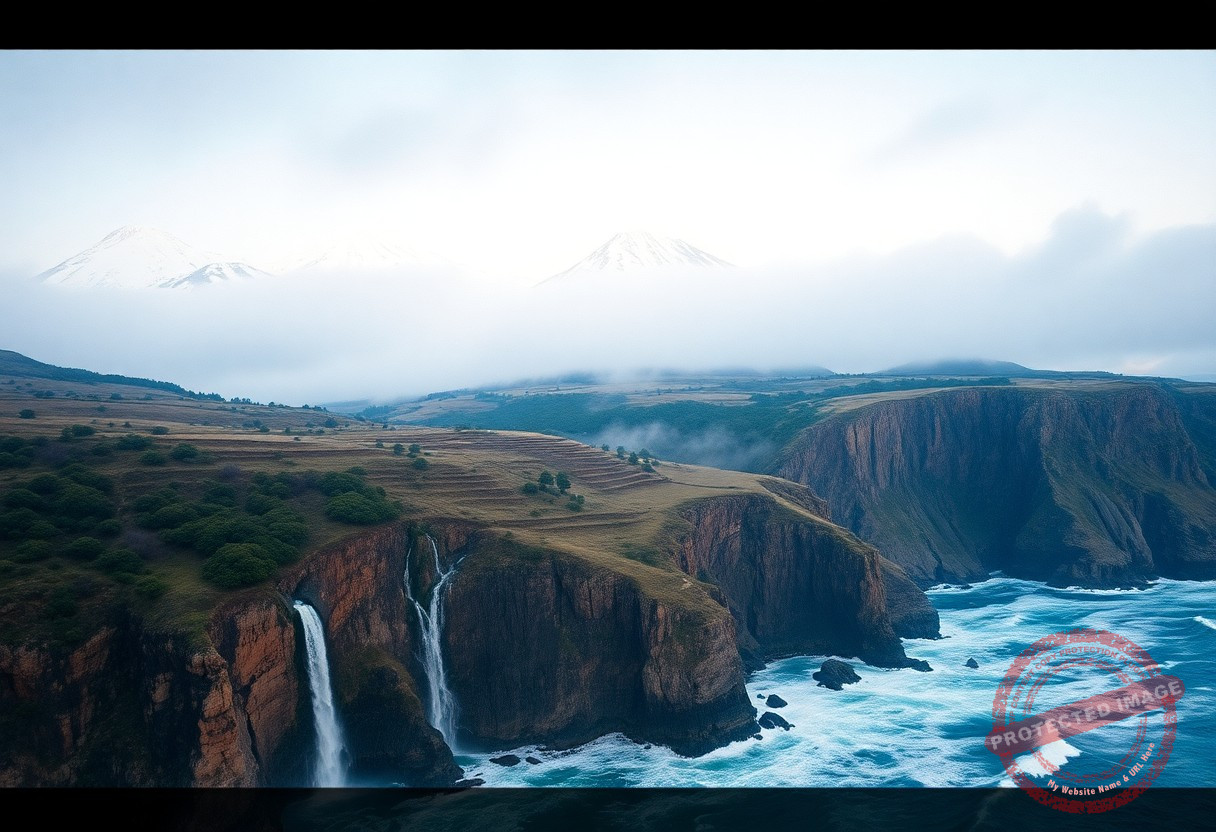
Over centuries Morocco’s shifting climates have sculpted the Atlas Mountains, Atlantic coast, Rif ranges and the Sahara, so you can witness dramatic contrasts as you travel; your understanding deepens when you explore seasonal rains, coastal fogs and desert heat that dictate vegetation patterns, river channels and human settlement, and a field report like Morocco – An Epic Journey that unveils its Desert Landscape highlights how aridity and elevation create unique ecosystems you can study and experience firsthand.
Advertisement
Key Takeaways:
- Coastal Mediterranean and Atlantic climates bring mild, wet winters and dry summers that support fertile plains and intensive agriculture.
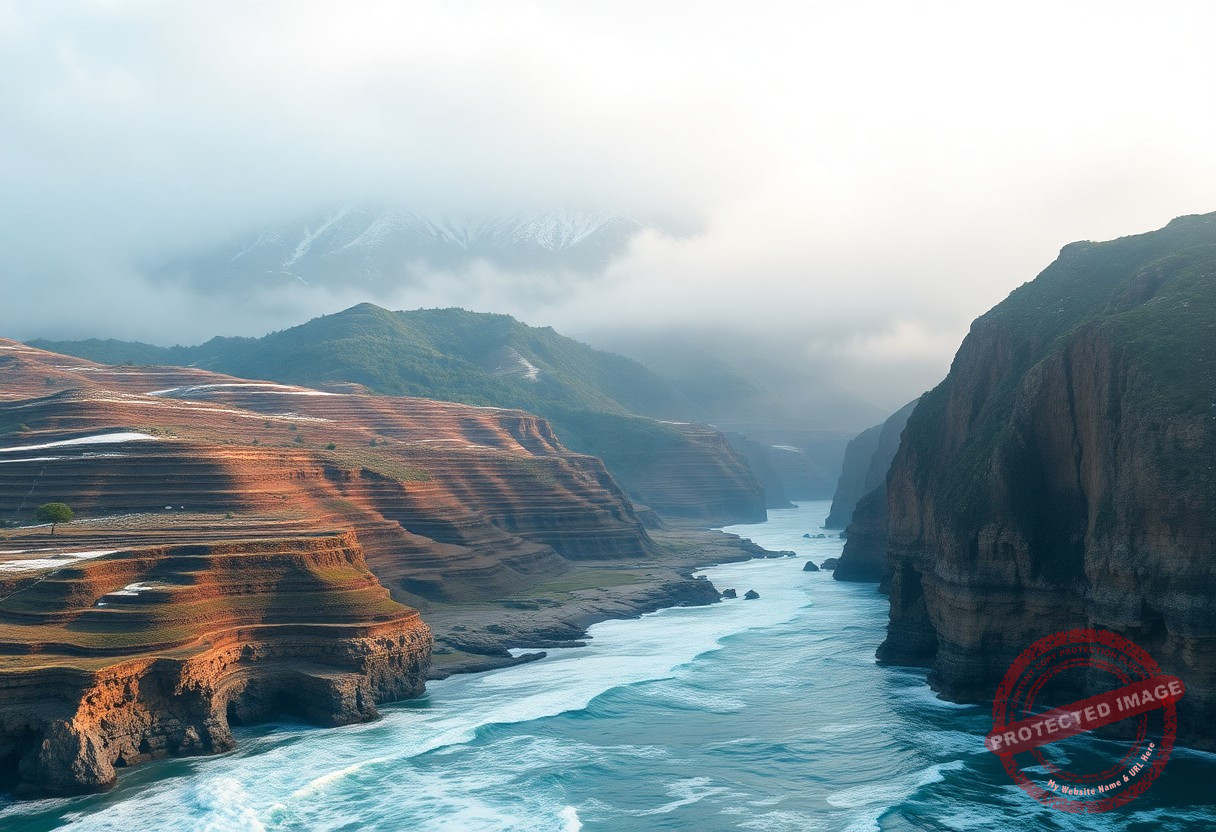
- Orographic lift over the Rif and Atlas mountains produces high rainfall and snowpack, feeding rivers and sustaining cedar and juniper forests.
- Sharp elevation- and latitude-driven microclimates create a wide range of habitats, boosting biodiversity and endemism.
- The Sahara’s aridity shapes dunes, rocky plateaus, and isolated oases where groundwater and episodic rains enable settlement and agriculture.
- Seasonal patterns-wet winters and hot, dry summers-control cropping cycles, grazing movements, vegetation phenology, and wildfire risk.
- Atlantic influences (upwelling, sea breezes, coastal fog) moderate temperatures, support rich fisheries, and provide moisture for coastal ecosystems.
- Climate change and more frequent extreme events (droughts, heavy storms, heatwaves) are intensifying desertification and stressing water and land-use systems.
The Climatic Zones of Morocco
You move from Mediterranean coasts to Atlantic plains, then into the Rif, Middle and High Atlas ranges, and finally the Sahara, each with distinct patterns of rainfall, temperature and vegetation. In practical terms you’ll note coastal zones with wet winters, mountainous areas with heavy snow and steep seasonal shifts, and southern deserts where precipitation drops to near zero-these contrasts shape agriculture, water resources and settlement distribution across the country.
Coastal Mediterranean Climate
Along the northern Mediterranean littoral-cities like Tangier, Tetouan and Nador-you’ll find mild, wet winters and warm, dry summers: winter averages near 10-15°C and summer highs around 25-30°C. Annual rainfall commonly ranges from 400-700 mm, supporting olive groves, citrus orchards and maquis scrub; sea breezes moderate extremes, so coastal microclimates favor year-round horticulture and dense human settlement.
Mountainous Regions and Alpine Conditions
In the Rif and Atlas chains you experience dramatic altitude-driven shifts: elevations rise from 1,000 m to 4,167 m at Jebel Toubkal, producing cold winters, frequent snow and alpine meadows. Temperatures can drop below −10°C at the highest summits while lower slopes retain cedar and oak woodlands; steep gradients create localized rain shadows and diverse habitats within short distances.
More specifically, you can visit Oukaïmeden (≈2,600 m) for a winter ski season typically from December to March, while Ifrane (≈1,665 m) hosts Atlas cedar forests and winters that often bring sustained snowpack. Annual precipitation in some high catchments exceeds 1,000 mm, feeding springs and rivers-such as tributaries of the Tensift-that supply Marrakech’s plains and irrigated agriculture, and supporting endemic species like the Barbary macaque in cedar stands.
The Role of the Sahara Desert
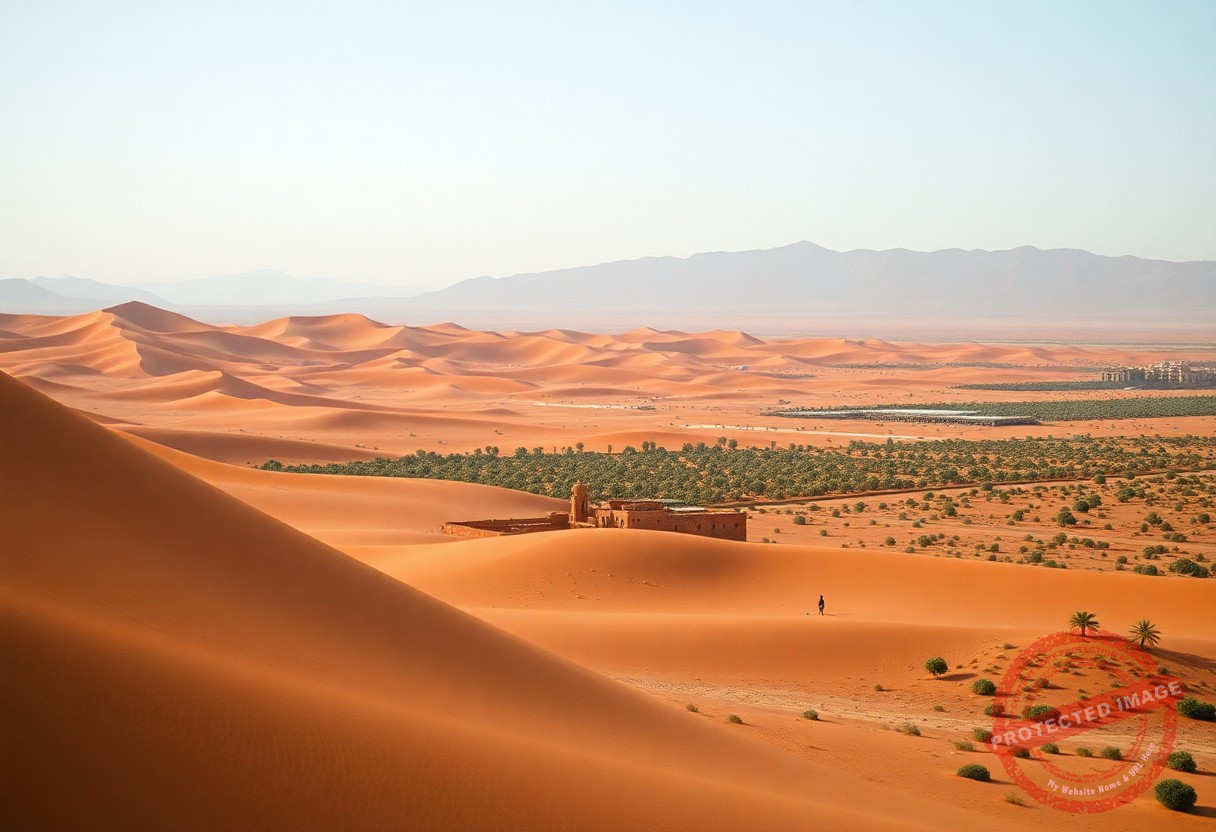
The Sahara, covering about 9.2 million km², forces Morocco’s southeastern landscapes into extremes you can observe at Erg Chebbi near Merzouga and Erg Chigaga. It shapes dust transport, groundwater recharge and seasonal wind corridors, so when you plan fieldwork or travel consult ▷ Geography, climate and times of year for travel for timing and microclimate specifics.
Extreme Temperatures and Aridity
Daytime summer highs in Moroccan Sahara zones often exceed 45°C while winter nights may approach freezing; annual rainfall is commonly under 50 mm. You encounter very low relative humidity and evaporation rates that desiccate soils, concentrate salts, and confine vegetation to wadis, sabkhas and irrigated oases.
Temperature and Humidity Patterns
| Summer (day) | Often >45°C |
| Summer (night) | 20-30°C |
| Winter (day) | 10-20°C |
| Winter (night) | Near 0°C |
| Annual rainfall | <50 mm (typical) |
Influence on Flora and Fauna
Oases such as Tafilalt support thousands of date palms (Phoenix dactylifera) and irrigated plots you can visit, while xerophytes like acacia and tamarisk persist in depressions; fauna includes fennec foxes (ears ≈15 cm), sand vipers, dorcas gazelles and migrating passerines that use water points as stopovers.
Plants employ deep roots or rapid phenology after rare rains, and animals use behavioral thermoregulation and burrowing to survive; you’ll see dune stratification driving microhabitats, and conservation efforts around Merzouga target overgrazing and trampling that reduce seedling recruitment and fragment these localized communities.
The Influence of Elevation
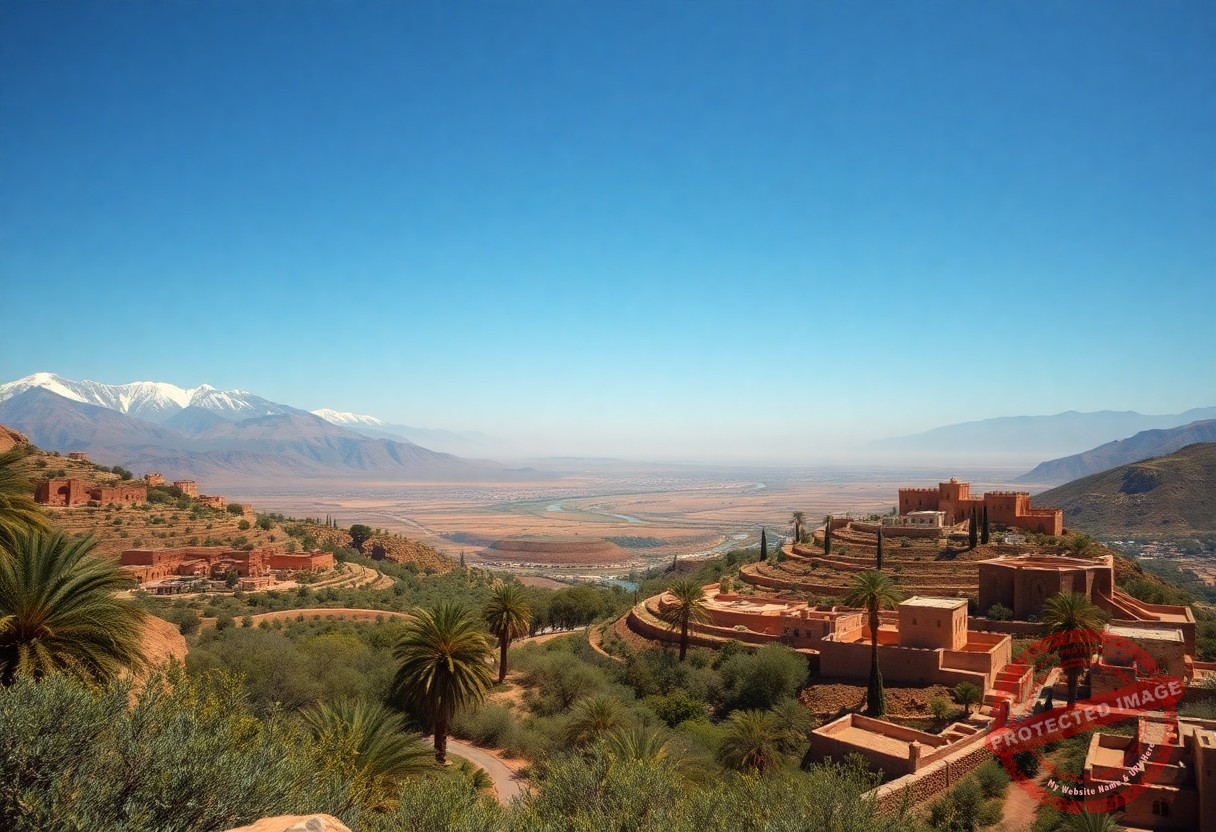
As elevation rises from the Atlantic coast to peaks like Jebel Toubkal (4,167 m), you move through sharply different climates: warm, humid coastal zones; cooler, wetter montane belts; and alpine areas where seasonal snowpack stores water that sustains downstream rivers, terraced farms and oases.
Vertical Climate Zones
You can see clear vertical stratification: thermo‑Mediterranean (0-500 m) with argan and olive, meso‑Mediterranean (500-1,200 m) hosting cork and holm oak, mountain belts (1,200-2,200 m) dominated by Atlas cedar, and alpine conditions above ~2,500 m where temperatures fall and snow persists into spring.
Ecosystem Diversity
Your experience of Morocco’s habitats shifts rapidly with altitude: dense cedar stands in the Middle Atlas, maquis and pine on coastal slopes, semi‑arid plateaus in rain shadows, and Saharan dunes past the Anti‑Atlas, producing high habitat turnover within short distances.
Cedar (Cedrus atlantica) typically occupies 1,200-2,200 m and supports species like the Barbary macaque, while argan woodlands below ~800 m between Essaouira and Agadir underpin local economies via argan oil cooperatives; you can trace High Atlas snowmelt into the Draa and Ziz valleys, where oases such as Tafilalt sustain irrigated agriculture amid otherwise arid terrain.
Seasonal Variations
From November to March you receive most of Morocco’s precipitation as Atlantic and Mediterranean storms, concentrating roughly 70-80% of annual rainfall; coastal plains often record 400-600 mm a year, while the Rif and High Atlas can exceed 1,000 mm and hold deep winter snow that melts into spring runoff, whereas May-September brings pronounced aridity, heat spikes above 40-45°C in interior lowlands, and vast contrasts between verdant valleys and parched plains.
Rainy Season and Its Impact
During the November-March rainy season you witness rivers swell, recharge aquifers, and reshape wadis; intense storms-sometimes delivering 50-100 mm in 24 hours-trigger flash floods that rebuild alluvial fans yet erode soils. Agricultural terraces in the Atlas capture runoff for barley and olive groves, while coastal citrus belts depend on winter recharge. Snowpack at 2,500-4,000 m in the High Atlas stores water that sustains irrigation into late spring, altering vegetation patterns downstream.
Dry Season Effects on Landscapes
In summer months your landscapes dry quickly: river flows fall or cease, groundwater levels often drop several meters, and rangelands brown under sustained heat. Vegetation retreats to riparian corridors and oases-such as the Draa-where deep wells and phreatophytes keep palms alive. Wildfire risk rises, soil crusts form on exposed loess, and dust mobilization accelerates coastal dune encroachment, forcing farmers to shift irrigation and planting calendars to preserve yields.
Beyond visible browning, you experience climatic forces like the Chergui-hot, dry easterly winds that can raise temperatures by 10-15°C and desiccate soils-while evapotranspiration rates soar, sometimes doubling compared with spring and intensifying salinization in irrigated plains. In the Souss valley and near Erfoud, overextraction lowers aquifers and accelerates dune migration; conversely, targeted practices-mulching, drip irrigation, and argan reforestation-have begun to stabilize soils and sustain livelihoods despite prolonged dry spells.
Human Adaptation to Weather
You see everyday adaptations across Morocco: High Atlas terraces slow runoff and prevent erosion, qanat and khettara systems sustain oases like Tafilalt, and pastoralists time transhumance to seasonal pasture cycles. Farmers mix traditional agroforestry-argan trees in the southwest-with modern water-saving techniques, while local cooperatives and municipal planning distribute risk and income, letting communities buffer droughts, floods and temperature swings without abandoning ancestral lands.
Agricultural Practices
You encounter terraced slopes, widespread drip irrigation promoted under the Plan Maroc Vert, and deliberate crop shifts to olives, almonds and saffron in marginal zones. Smallholders in Souss and the Haouz plains combine improved seed varieties with rotational grazing; meanwhile hundreds of argan cooperatives stabilize soils, add value through oil production and diversify household revenue streams.
Urban Development and Climate Resilience
You notice coastal cities building seawalls, upgrading stormwater networks and piloting green infrastructure to cope with heavier rains and rising seas. Casablanca, Rabat and Tangier prioritize flood mapping, rainwater capture and revised zoning near estuaries to protect dense populations and critical ports such as Tanger Med.
You can quantify the pressure: Morocco’s roughly 3,500 km coastline and IPCC estimates of up to about 1 metre of sea‑level rise by 2100 under high emissions drive action. Since hosting COP22 in Marrakech (2016) and through national adaptation planning, you’ll find investments in early‑warning flood systems, restored coastal wetlands like the Oued Souss estuary to absorb storm surge, engineered defenses at key ports, and urban pilots-permeable pavements, expanded retention basins and incentives for green roofs-to reduce runoff and urban heat for millions of residents.
Conservation Efforts
You encounter national parks such as Toubkal, Ifrane, Souss‑Massa and Al Hoceima safeguarding cedar forests, Atlantic wetlands and coastal dunes; NGOs and government programs have supported reforestation and community-based argan cooperatives that reduce overgrazing. Plan visits to avoid sensitive seasons by checking Best Time to Visit Morocco: Optimal Seasons and Weather …, which helps time low-impact wildlife viewing and community tourism.
Protecting Diverse Ecosystems
You’ll notice targeted protections: Merja Zerga and other Ramsar sites control hunting and safeguard migratory birds, while argan cooperatives around Essaouira promote sustainable harvesting. In the High Atlas, terracing and grazing management reduce erosion and protect endemic plants; ranger patrols and citizen-science monitoring help track populations of Barbary macaques and other vulnerable species.
Climate Change Challenges
Rising temperatures and altered rainfall already shorten High Atlas snow seasons, cutting spring runoff that communities rely on for irrigation and hydropower, and accelerating desertification on interior plains, which increases wildfire and crop-failure risks you may witness firsthand.
Adaptation efforts combine large-scale and local actions: Morocco’s Noor solar complex channels renewable revenue into resilience, while pilots in the Souss valley and Tamri deploy drip irrigation, managed aquifer recharge and dune restoration. You can observe projects that blend traditional water‑saving techniques with scientific monitoring to protect coastal wetlands and secure livelihoods.
Summing up
Ultimately, Morocco’s seasonal contrasts and regional microclimates shape the Atlas peaks, Atlantic and Mediterranean coasts, Rif forests, Sahara margins, and fertile plains, so you can see how rain, wind, temperature and elevation determine ecosystems, agricultural zones, and scenic variety that define your experience of the country’s natural landscapes.
FAQ
Q: What major climate zones exist in Morocco and how do they influence its natural landscapes?
Morocco has Mediterranean coastal climates in the north and northwest, semi-arid and continental zones inland, high mountain climates in the Rif and Atlas ranges, and arid Saharan conditions to the south and southeast. Mediterranean winters bring most of the precipitation to the Rif and northern Atlas, supporting forests and cereal agriculture. Higher elevations receive snow and sustain mountain woodlands and alpine meadows. The interior’s lower precipitation and stronger seasonal contrasts create steppes and xeric shrublands, while Saharan aridity produces deserts with dunes, regs and sparse xerophytic vegetation.
Q: How do the Atlas Mountains modify rainfall patterns and create contrasting environments?
The Atlas chains force moist Atlantic and Mediterranean air upward, producing orographic rainfall on windward slopes and significant snowfall at elevation (High Atlas peaks exceed 4,000 m). Moisture dropped on the northern and western flanks feeds rivers, aquifers and fertile valleys. On the leeward side a pronounced rain shadow yields drier plateaus and desert fringes; this contrast explains adjacent lush valleys and stark arid plains. Snowmelt from mountain snowpack provides seasonal runoff vital for irrigation and downstream ecosystems.
Q: In what ways do Atlantic and Mediterranean coastal climates shape Morocco’s shoreline ecosystems?
The cold Canary Current cools the Atlantic coast, moderating temperatures, enhancing fog and supporting productive upwelling zones that sustain rich marine fisheries. The Atlantic shoreline features wide beaches, estuaries and humid coastal plains used for agriculture. The warmer, more seasonal Mediterranean coast has steeper relief, smaller plains and different coastal vegetation. Together, coastal climates influence salt-tolerant plant communities, dune systems, wetlands that host migratory birds, and human settlement patterns concentrated near reliable moisture sources.
Q: How does the Saharan climate create desert landforms such as dunes, regs and oases?
Persistent aridity and strong winds reshape loose sand into linear, transverse and star dunes (ergs), as seen at Merzouga (Erg Chebbi). Hard, wind-polished stony surfaces (regs) and broad rocky plateaus (hamada) form where finer sediments are removed. Intermittent wadis carry episodic sediments that create alluvial fans and pockets where groundwater accumulates; where subsurface water is accessible, palm oases develop and support agriculture. Temperature extremes and low precipitation limit soil development and vegetation, accentuating wind-driven geomorphology.
Q: What effects do seasonal rains and flash floods have on Moroccan valleys and plains?
Most precipitation falls in autumn and winter, sometimes as intense storm events that trigger rapid runoff in steep catchments. Flash floods (oueds) erode slopes and channel beds, transporting large sediment loads that build up alluvial terraces, fans and fertile floodplains downstream. These episodic events replenish soils and aquifers but also cause damage; traditional and modern water-management-terracing, dams and riverworks-both respond to and modify the landscape processes driven by seasonal hydrology.
Q: How do local winds and temperature extremes influence erosion, soil salinity and vegetation patterns?
Hot, dry winds from the Sahara (chergui/sirocco) raise temperatures, increase evaporation and desiccate soils, promoting erosion and dust transport. Coastal breezes moderate temperatures and reduce extremes, allowing denser vegetation nearshore. Thermal stress, combined with variable rainfall, shapes plant communities: drought-tolerant shrubs and grasses dominate arid zones, while sensitive species persist in sheltered microclimates. Wind-driven salt spray and sand abrasion also affect coastal cliffs and dune migration, altering habitats over time.
Q: How do weather-driven microclimates support Morocco’s biodiversity and traditional land uses?
Topographic variation and shifting climatic influences create microclimates-from moist north-facing slopes and mountain gullies to arid south-facing plateaus-that support distinct ecosystems: cedar and pine forests in the Middle and High Atlas, cork oak and maquis on Mediterranean slopes, argan woodlands in the Souss valley and palm oases in desert valleys. These microclimates enable diverse agriculture (olives, cereals, citrus, dates), pastoralism on seasonal pastures, and high endemism in isolated mountain refuges. Human practices such as terracing, irrigation from snowmelt and qanat-style groundwater use have co-evolved with these weather patterns to sustain livelihoods and shape the landscape.